
The credit card celebrates its 60th anniversary in the UK this year.
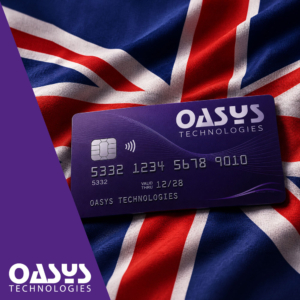
The credit card celebrates its 60th anniversary in the UK this year.
While England was winning the 1966 World Cup, the first credit cards were being issued from a former shoe factory in Northampton, where cards are still personalised and issued today.
Sixty years ago, life was very different. People relied on cheques, visited banks during limited opening hours to withdraw cash, and credit was far harder to obtain. In many cases, a wife’s ability to access credit depended on her husband’s financial standing, while shop credit was typically reserved for wealthier customers. Credit cards helped democratise access to credit, with over 60% of UK adults now owning a credit card and over 90% using either a credit or debit card.
By guaranteeing transactions for retailers, card issuers enabled businesses to offer credit with confidence. This transformed consumer spending, allowing deferred payments, improving cash flow and encouraging discretionary purchases.
There have been downsides, including higher personal debt and fraud. However, sophisticated fraud detection and risk management by Visa and other payment providers have kept bad debt and fraud at relatively low levels.
The growth of online shopping and contactless payments has accelerated the decline of cash, with many retailers now preferring card or mobile payments. My teenage daughter recently opened a birthday card containing cash and simply asked, “What do I do with this?”
This shift has driven enormous demand for payment cards. Today, around 15 billion credit and debit cards are manufactured worldwide each year, requiring highly specialised production processes incorporating technologies such as EMV chips and contactless functionality.
Oasys has been at the forefront of this industry, designing and building specialist machinery for key stages of card manufacturing and supporting installations in more than 70 countries. From an industry that barely existed in the 1960s, payment card manufacturing has become a global sector underpinning modern commerce.
Cash may feel less tangible today, but to my daughter, money doesn’t grow on trees—it simply comes from Dad’s little blue card.


